A Royal Visit to ʻIolani Palace in Honolulu
Today was another hot one in the beautiful city of Honolulu, but we had a lovely day planned that involved a little history, a special musical performance, and a nice, easy stroll back to the ship. Sometimes the best days are the ones where you don’t try to do too much!
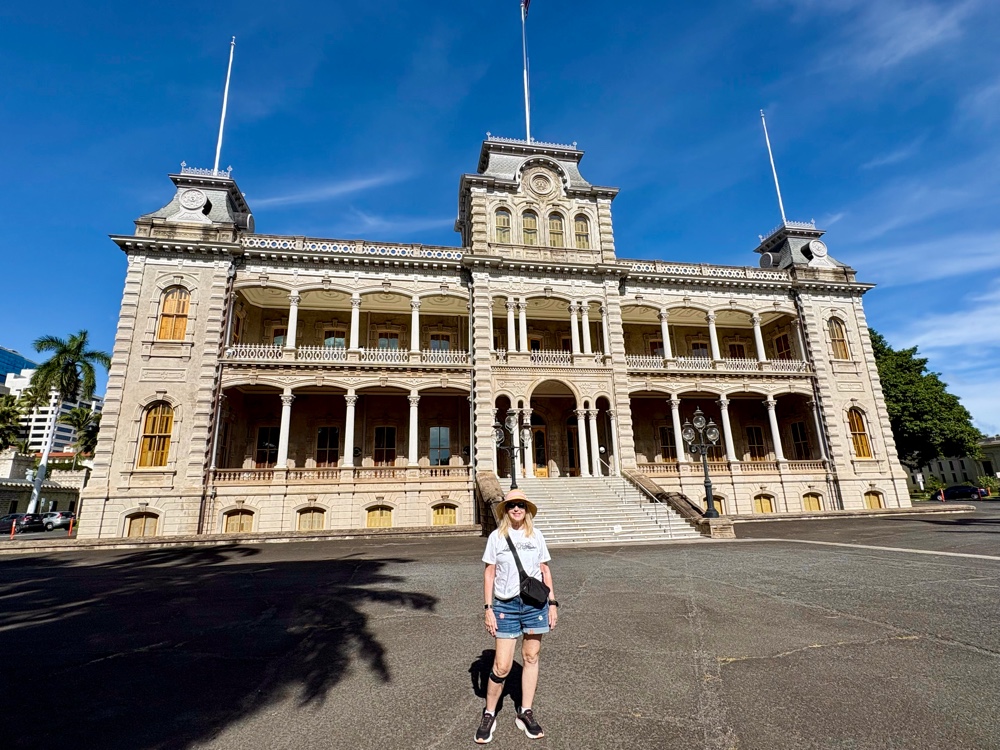
There was something we had always wanted to do on our previous visits to Honolulu but somehow never quite got around to it, and that was visiting ʻIolani Palace, the former royal residence of the Hawaiian monarchs. With this being our return visit, we decided it was finally time to put that right.
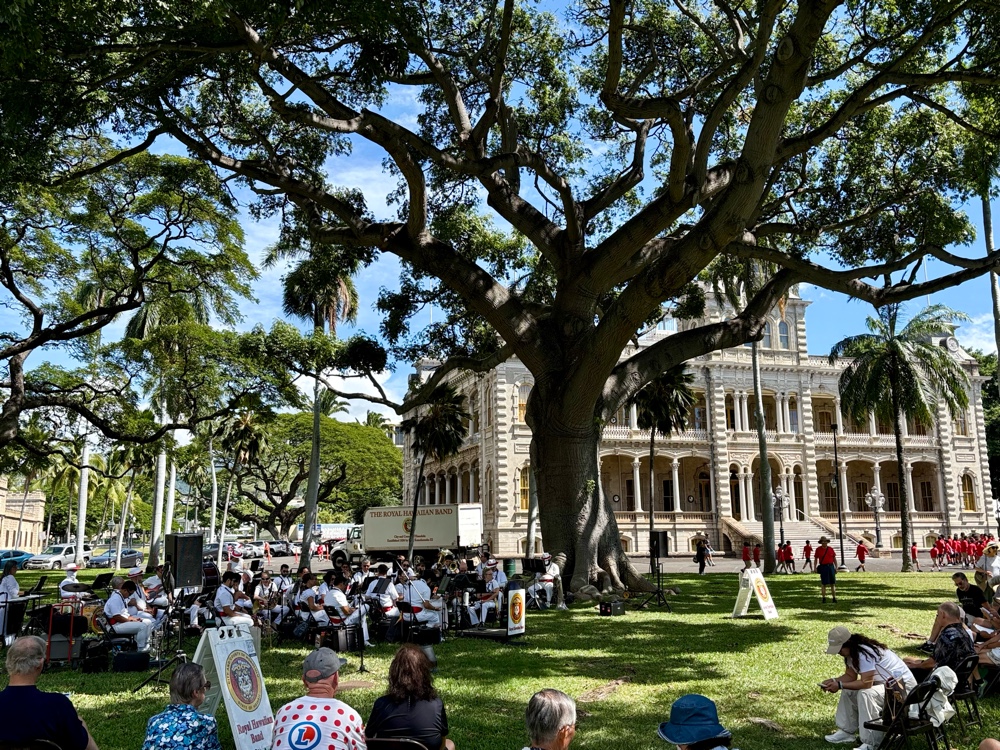
As we looked at the timing, we discovered an added bonus. Every Friday at noon, the Royal Hawaiian Band performs on the palace grounds. That gave us the perfect opportunity to enjoy the music first and then take our audio-guided tour, which I booked for 1:30 p.m.
A Special Performance by the Royal Hawaiian Band
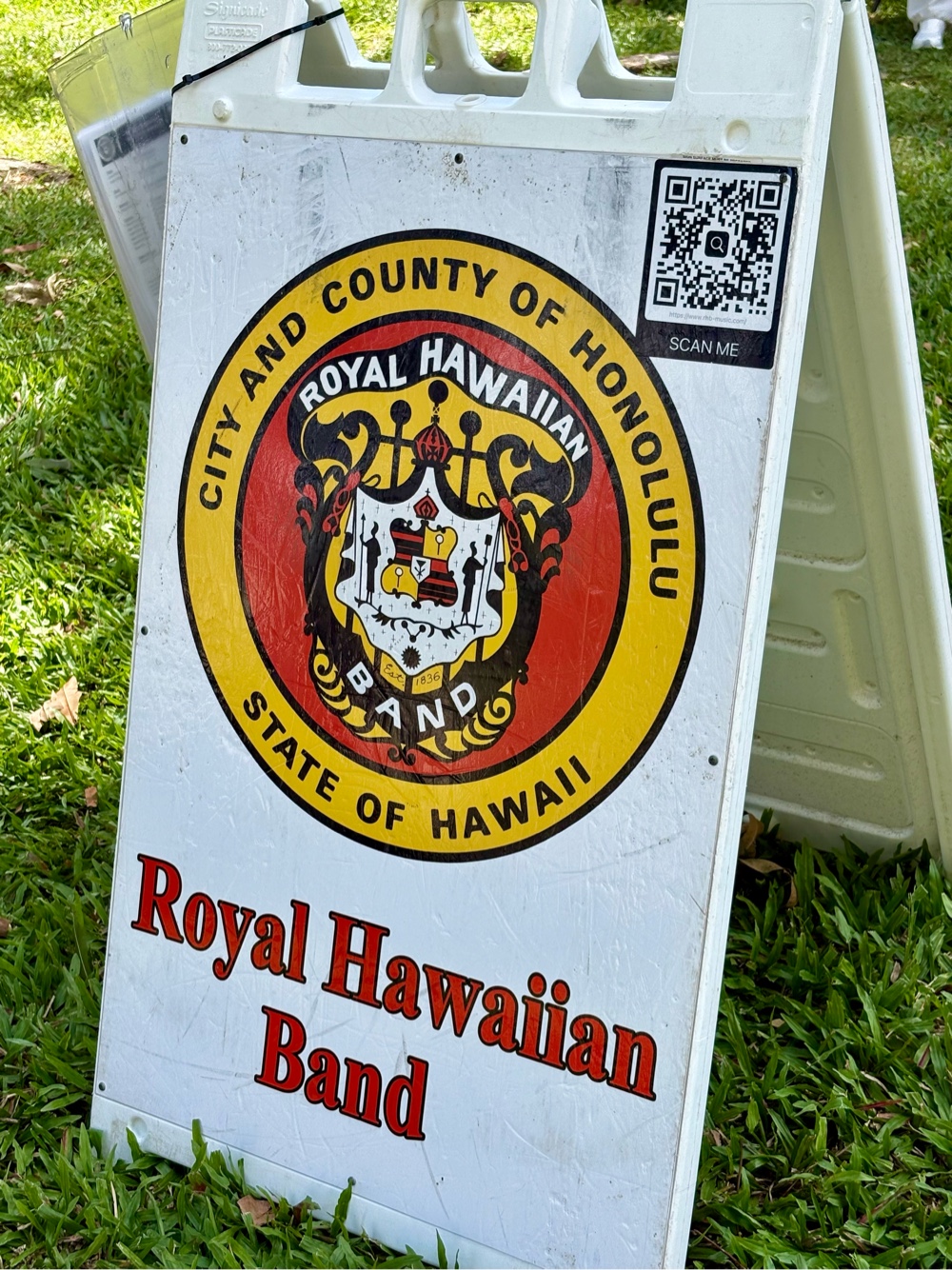
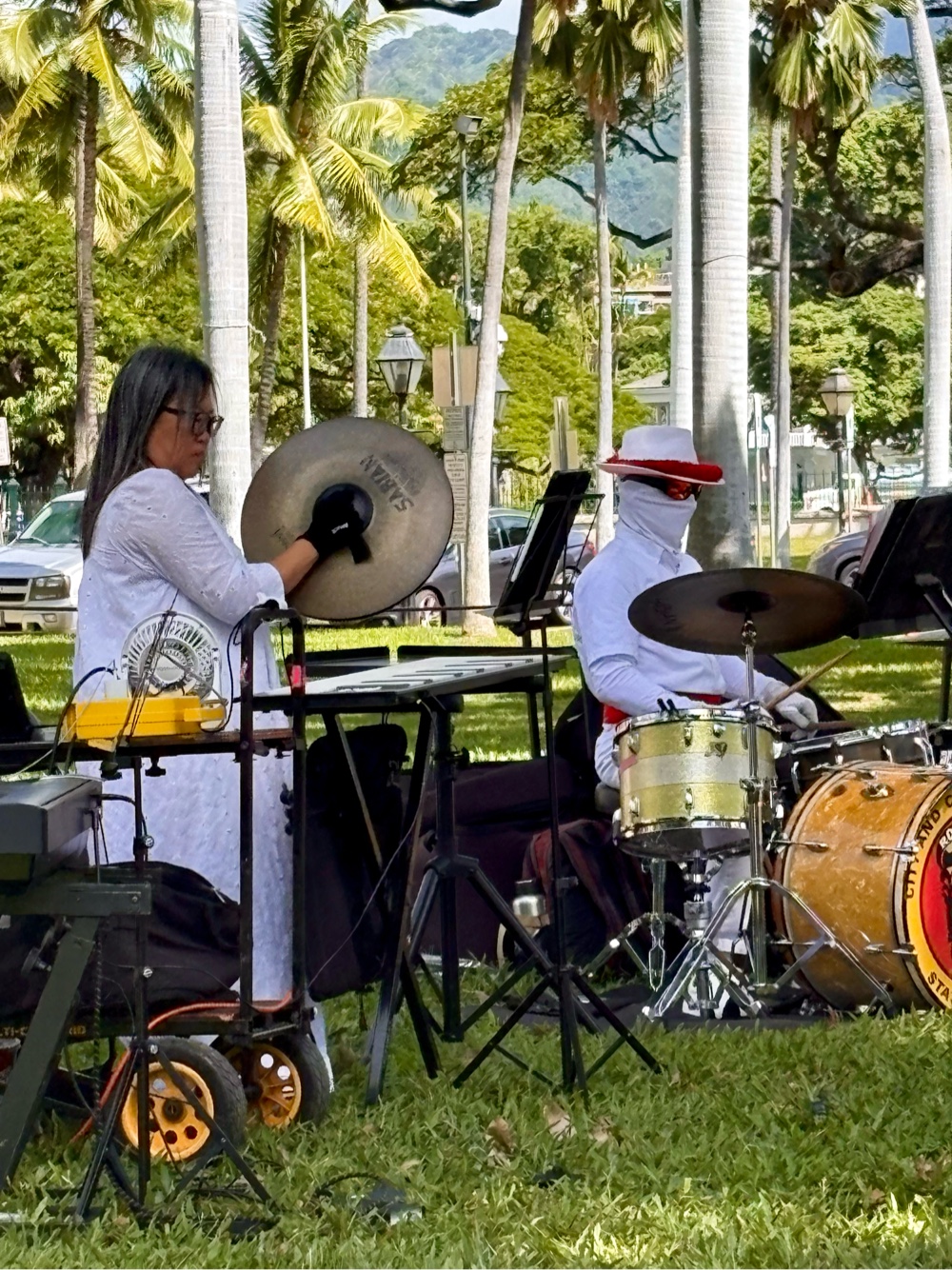
The Royal Hawaiian Band has a fascinating history of its own. Established in 1836 by King Kamehameha III as the King’s Band, it has been part of Hawaiian life for almost two centuries. Over the years, the band has performed at royal celebrations, public ceremonies, community events, and important occasions throughout Hawaiʻi. Today, it continues to preserve and share Hawaiian musical traditions while performing for audiences both at home and around the world.
But for us, this particular performance had a much more personal connection.
Our friend Aaron’s father played in the Royal Hawaiian Band for many years. Knowing that made sitting there listening to the musicians all the more meaningful. It wasn’t simply a chance to enjoy some wonderful Hawaiian music; it was also a connection to Aaron’s family and a part of their history.
It is funny how travel sometimes brings these little connections to the surface. What might otherwise have been just another enjoyable stop on our itinerary became something much more special because of that family connection. We were delighted that we had arranged our visit to coincide with the Friday performance.
ʻIolani Palace — A Glimpse into Royal Hawaiʻi
After the band performance, it was time to step inside the palace and learn more about the Hawaiian Kingdom and the people who once called this remarkable building home.
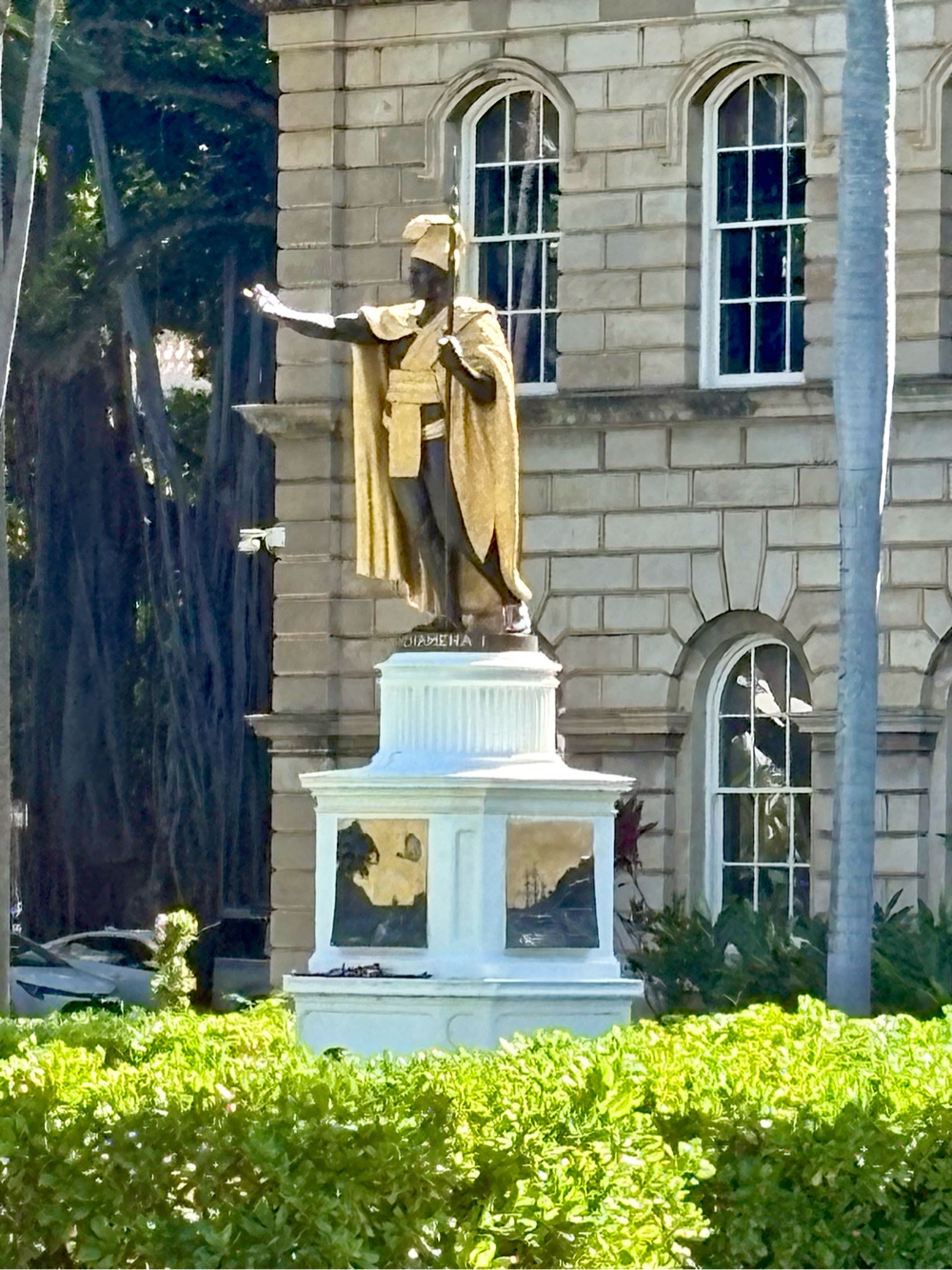
The present ʻIolani Palace was commissioned by King David Kalākaua, with construction beginning in 1879 and being completed in 1882. It became the official residence of the Hawaiian monarchs and a centre for the kingdom’s political and social life. King Kalākaua and, following his death, his sister Queen Liliʻuokalani were the two reigning monarchs who lived in the palace.
This wasn’t simply a royal home. It was also a place where the king conducted official business, welcomed visiting dignitaries, hosted receptions and entertained guests with grand celebrations. It reflected King Kalākaua’s ambition to demonstrate that Hawaiʻi was a modern, independent kingdom with its own traditions, culture, and place in the world.
And modern it certainly was!
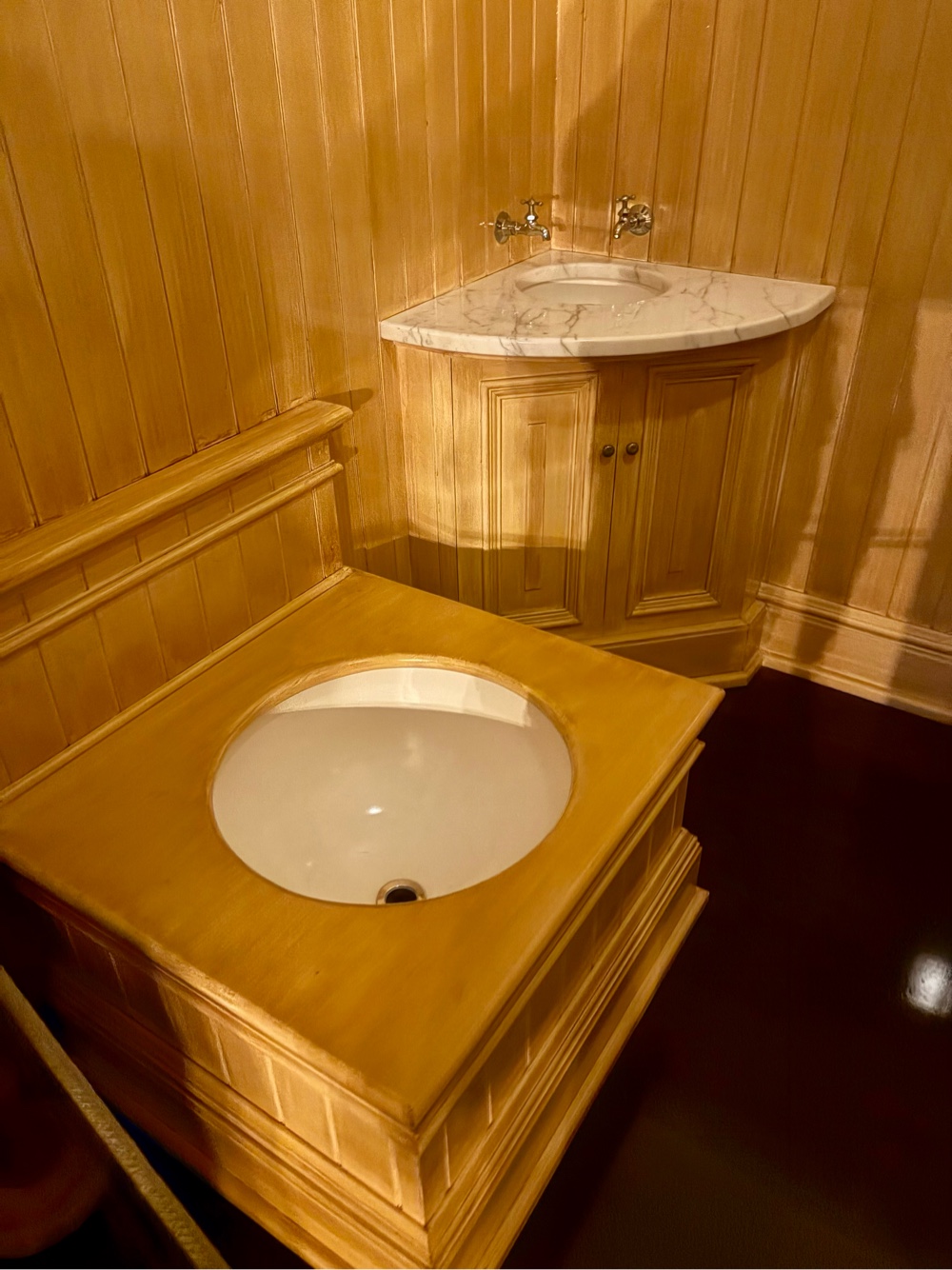
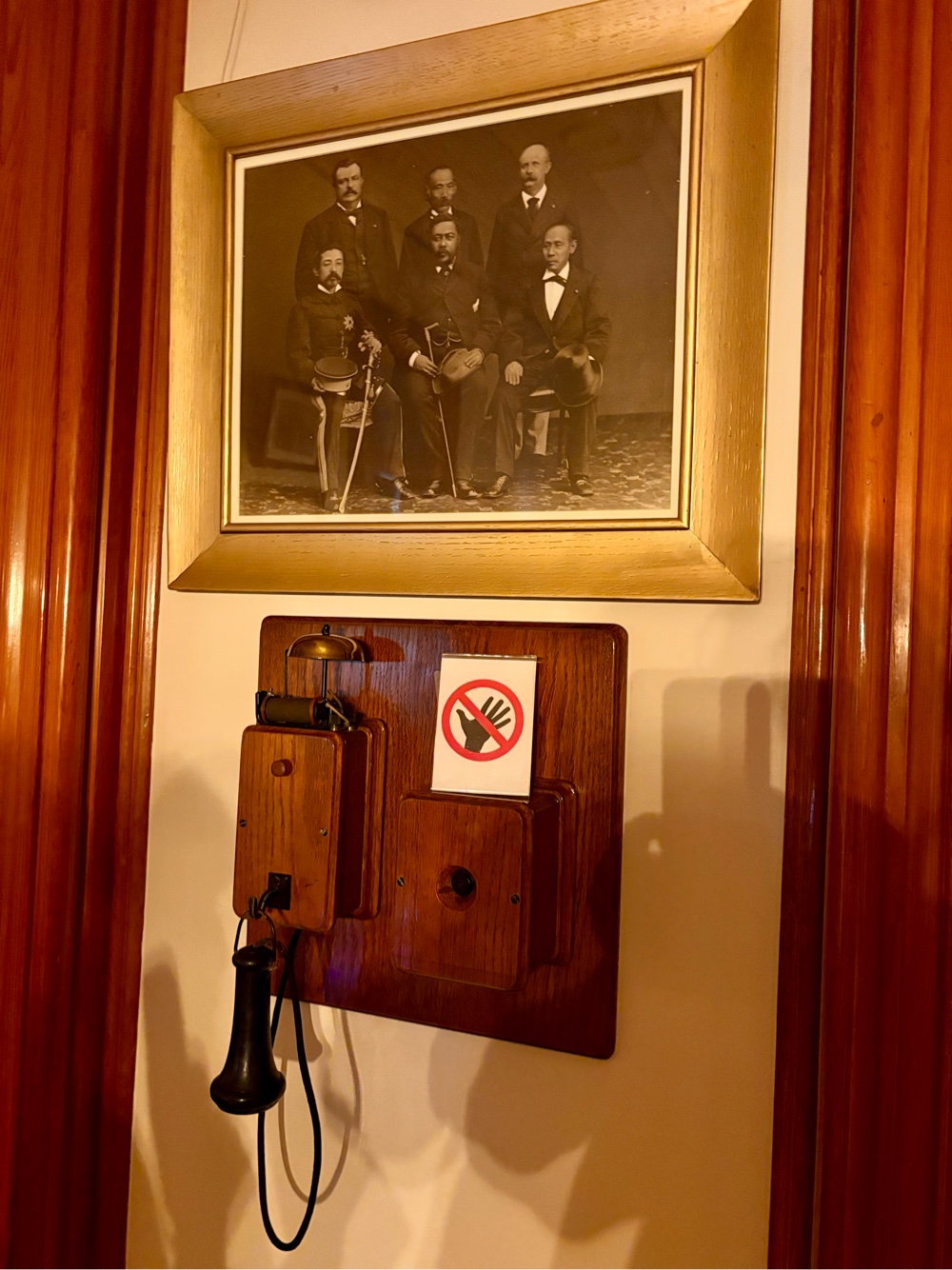
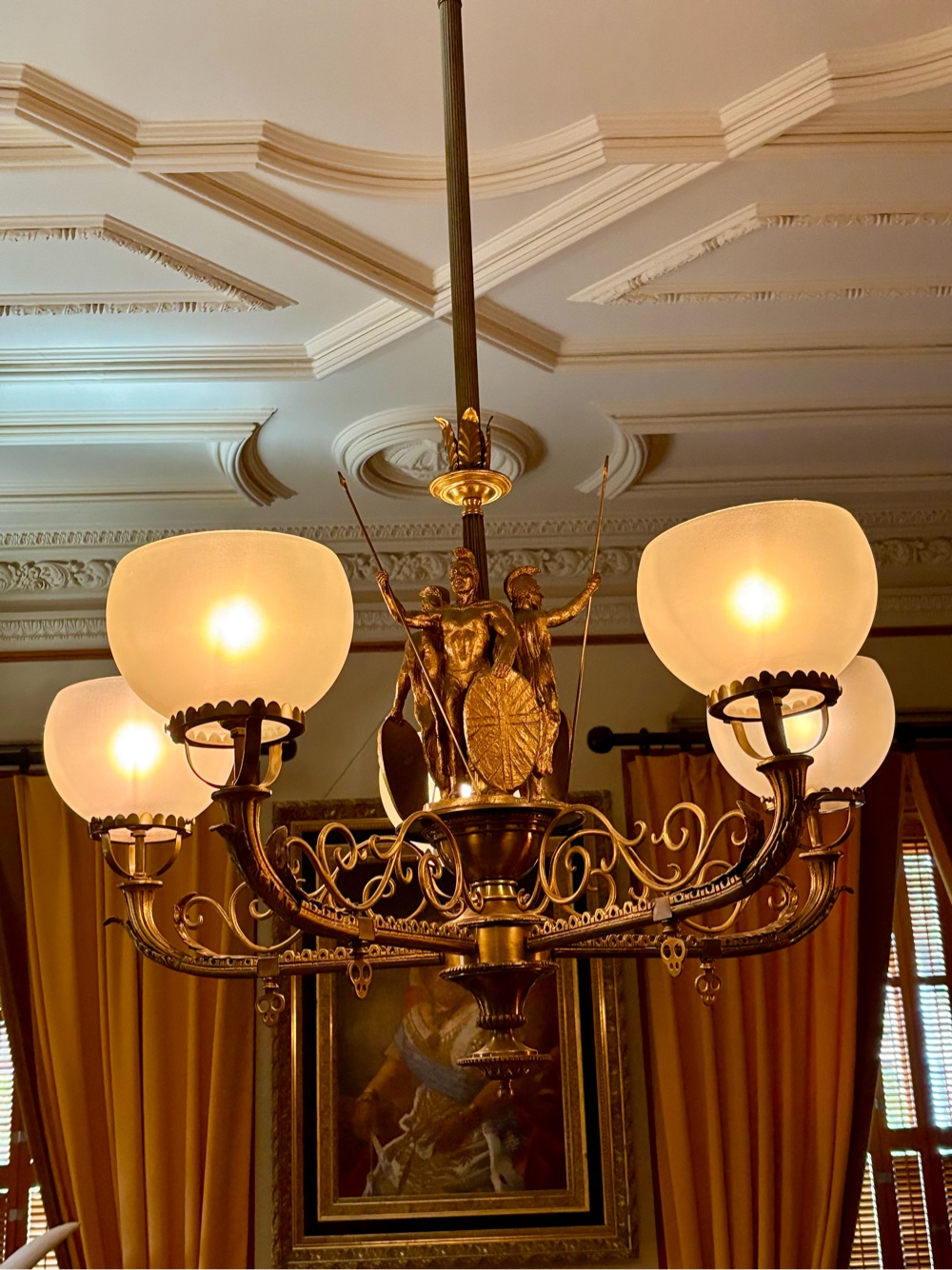
One of the most interesting facts we learned was that ʻIolani Palace had electric lighting before the White House in Washington, D.C. The palace was equipped with electricity, indoor plumbing, and even a telephone, making it remarkably advanced for its time. It is quite something to imagine these modern conveniences being installed in a royal palace in the middle of the Pacific during the 1880s.
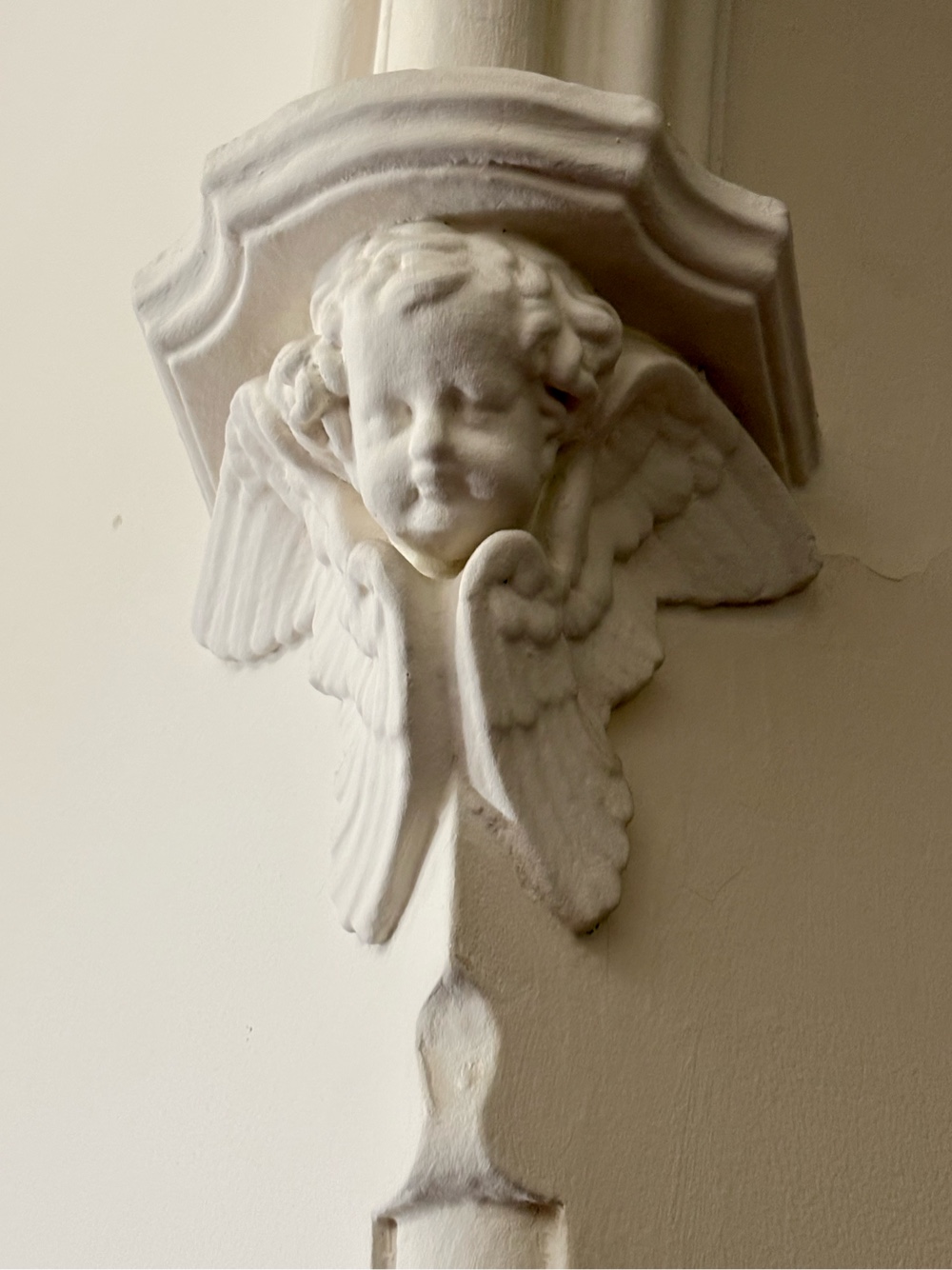
The building itself is an impressive blend of European architectural influences and Hawaiian features. From the outside, its towers, grand verandas, and distinctive design make it stand out from the surrounding government buildings. Inside, the palace is elegant without losing sight of the Hawaiian history that gives it such importance.
A Difficult Chapter in Hawaiian History
Of course, the history of ʻIolani Palace is not all grand celebrations and royal entertaining. Some of its most important stories are also among its saddest.
In 1887, King Kalākaua was forced by a group of powerful foreign businessmen and their supporters to accept a new constitution. It became known as the Bayonet Constitution, a name reflecting the pressure and threat of force under which it was imposed. The constitution significantly reduced the king’s authority and restricted the political power of many Native Hawaiians while increasing the influence of wealthy foreign residents.
The events that followed eventually led to the overthrow of the Hawaiian monarchy in January 1893. Queen Liliʻuokalani, who had succeeded her brother Kalākaua in 1891, sought to restore greater authority to the monarchy and the Hawaiian people. However, a group of opponents, supported by the presence of U.S. forces, overthrew her government. The United States later annexed Hawaiʻi in 1898.
For a country with such a proud royal history, this was a profound turning point, and the palace remains a powerful symbol of Hawaiian identity and sovereignty.
The story becomes even more poignant when you learn what happened to Queen Liliʻuokalani herself. Following an unsuccessful attempt by royalist supporters to restore the monarchy in 1895, she was arrested, tried in her own throne room, and convicted. She was then confined to a bedroom upstairs in the very palace that had once been her home.
The Queen spent nearly eight months under house arrest inside ʻIolani Palace.
During this time, she was permitted very few visitors and spent much of her confinement reading, writing music, praying, and working on needlework. It is difficult to imagine what it must have been like for a queen to be imprisoned within the walls of her own former home, surrounded by memories of the life and country she had lost.
Learning about this part of the palace’s history certainly adds another dimension to the visit. These rooms are not simply beautifully restored interiors; they are places where events that changed the course of Hawaiian history actually took place.
Exploring the Palace Rooms
Our audio-guided tour took us through the different areas of the palace, and it was fascinating to see how the building was divided between the public duties of the monarchy and the family’s private life.
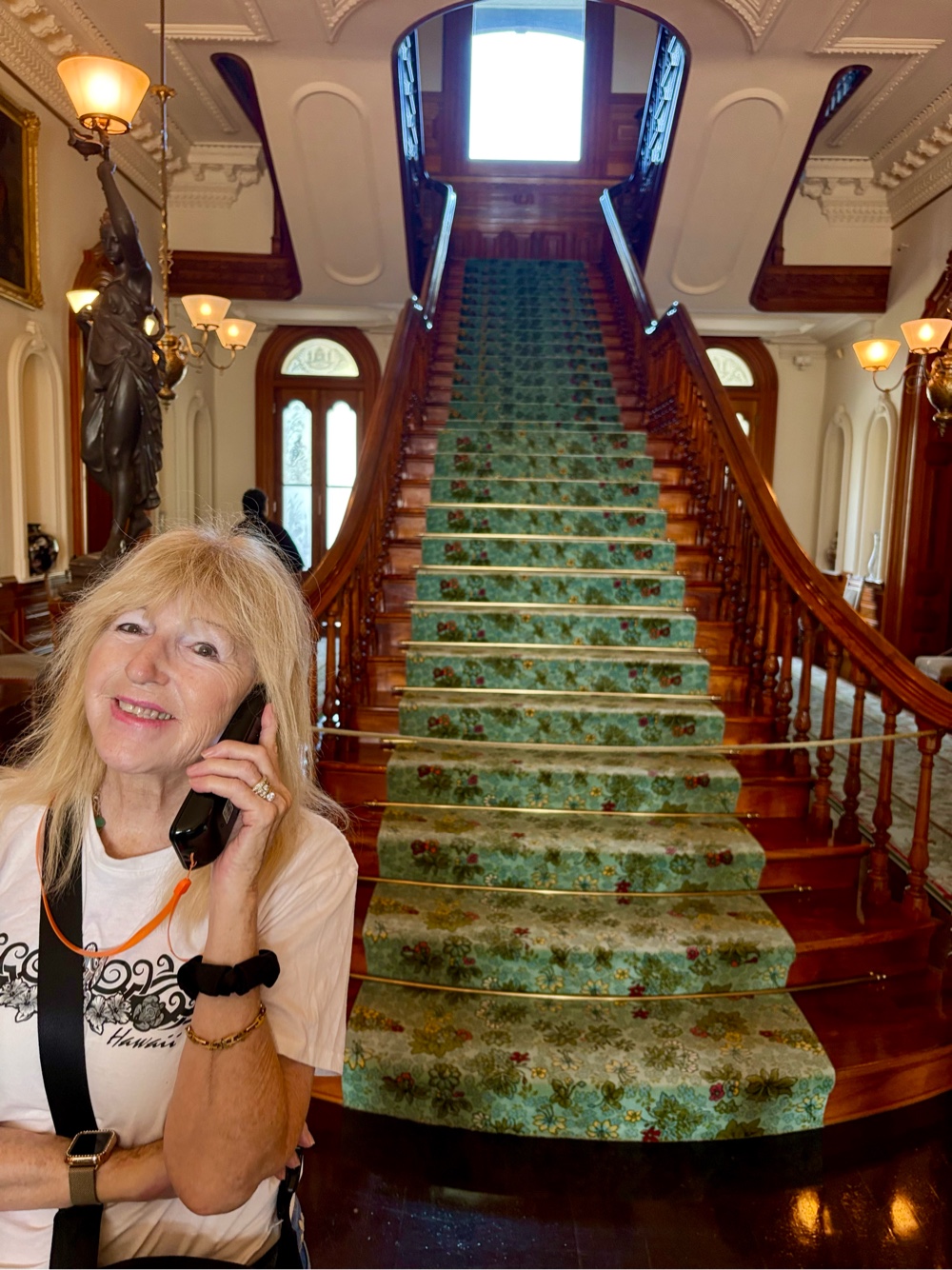
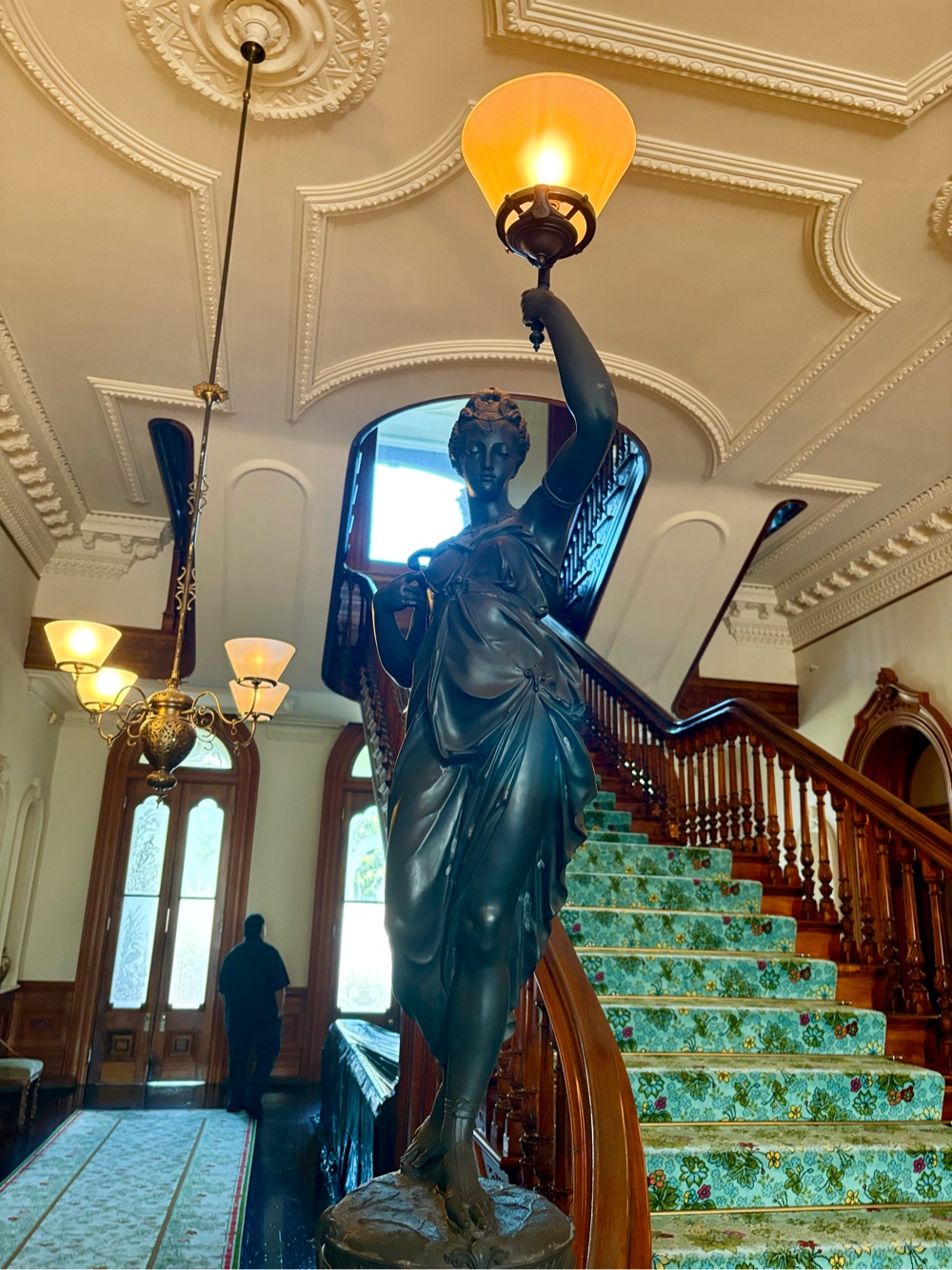
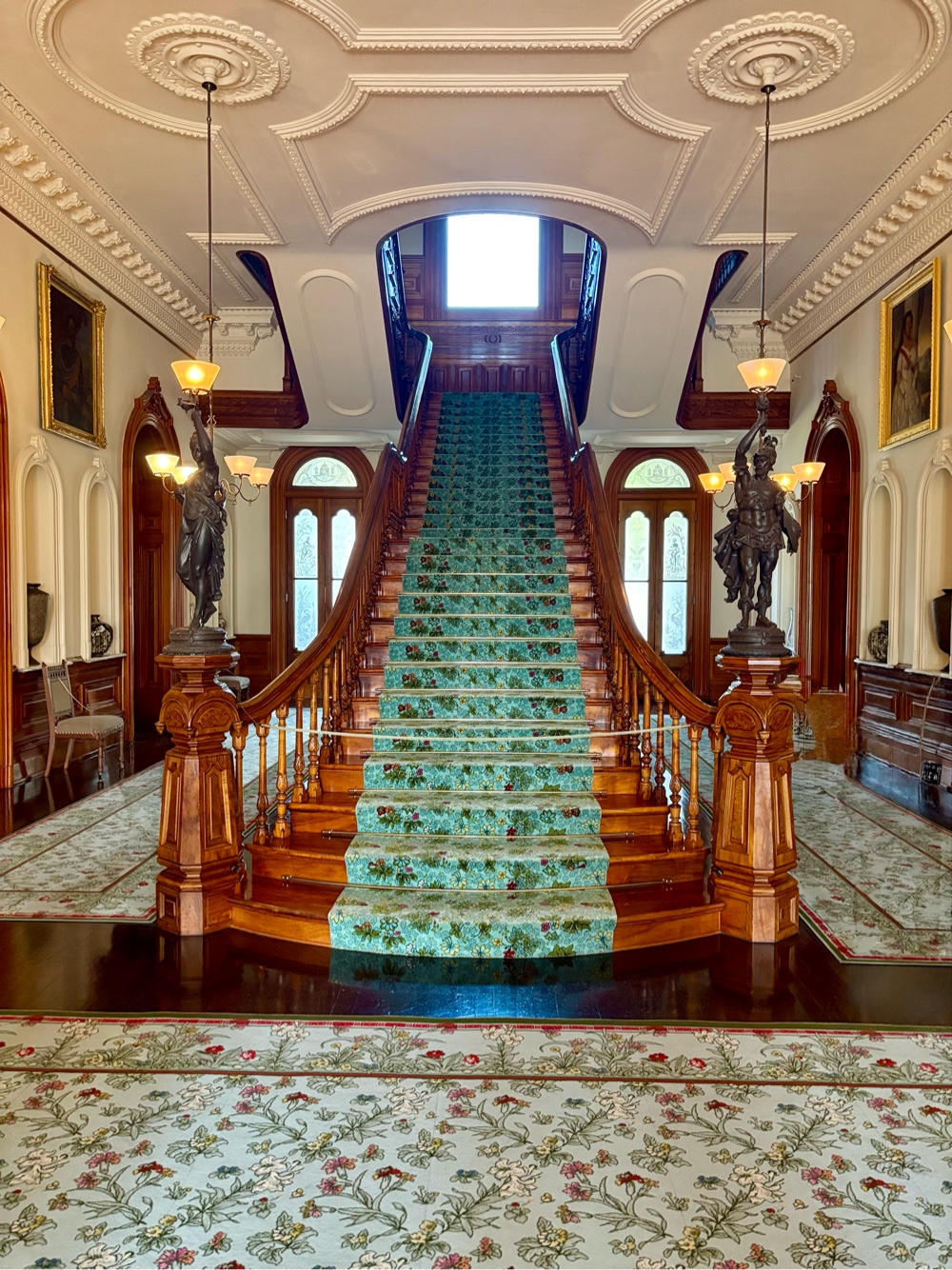
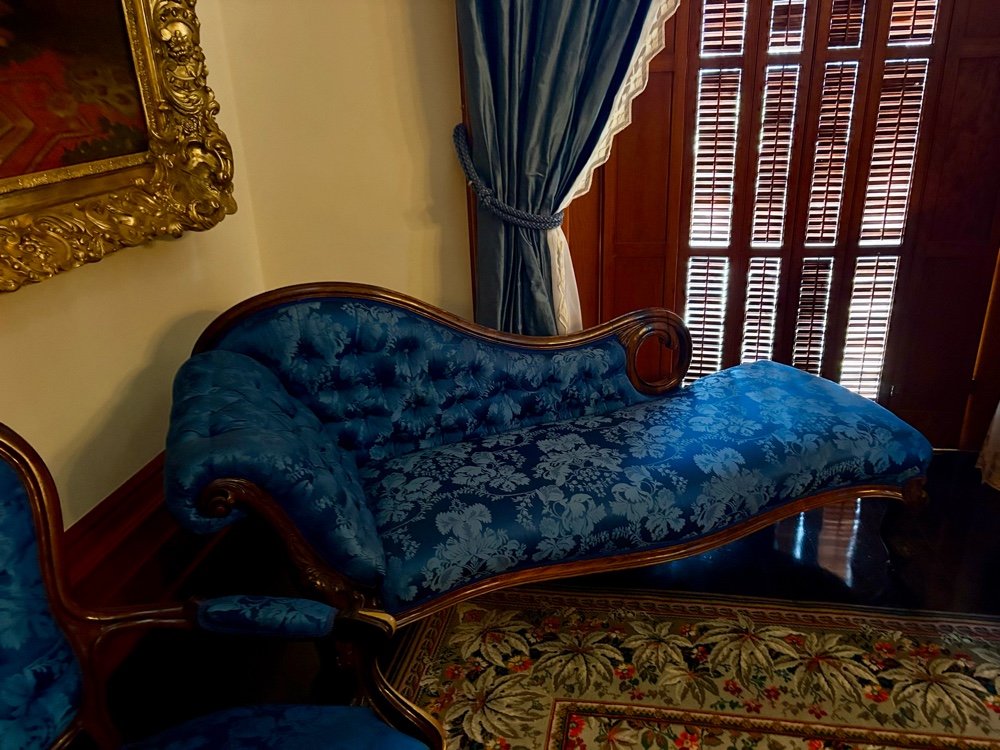
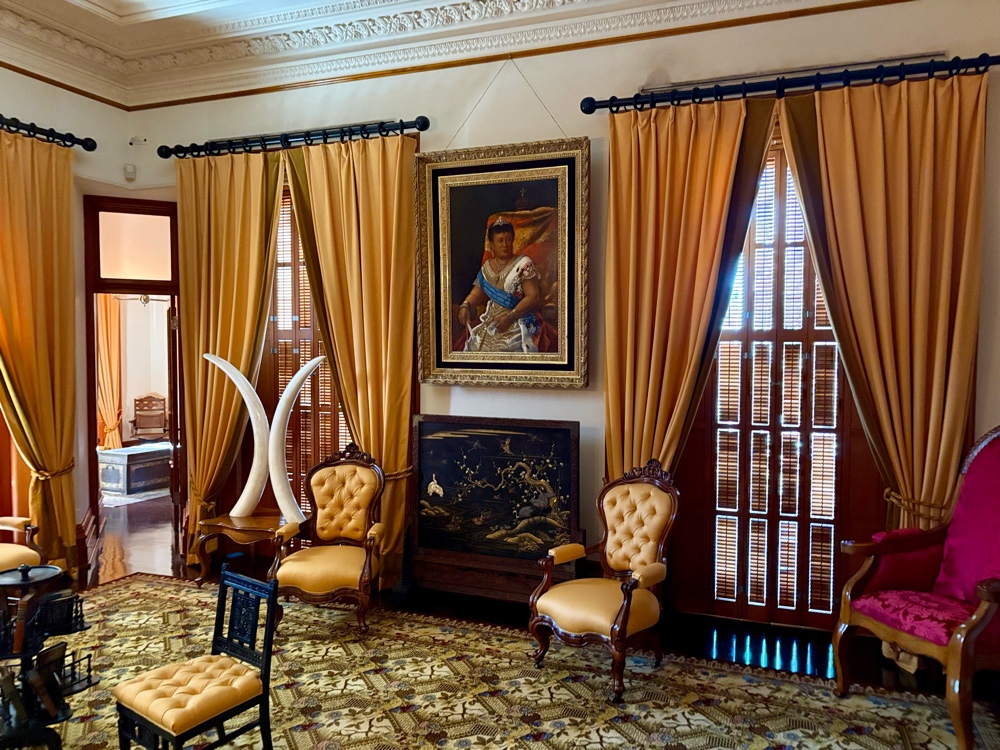
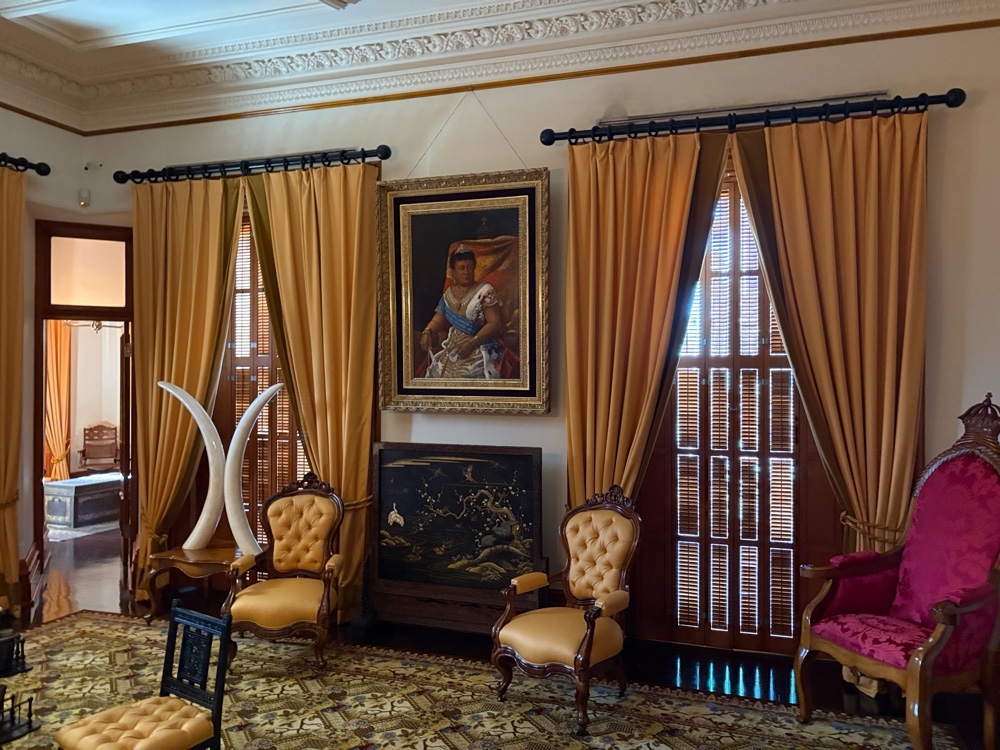
The first floor was where the official business and entertaining took place. We visited the Grand Hall, with its beautiful koa wood staircase and portraits of Hawaiian monarchs, along with the State Dining Room, the Blue Room, and the magnificent Throne Room. It was easy to imagine the royal family welcoming distinguished guests, hosting formal dinners, and holding important ceremonies in these rooms.
The Throne Room was particularly significant because it was used not only for royal receptions and celebrations but also for Queen Liliʻuokalani’s trial after the overthrow. Knowing both sides of that history made the room especially moving.
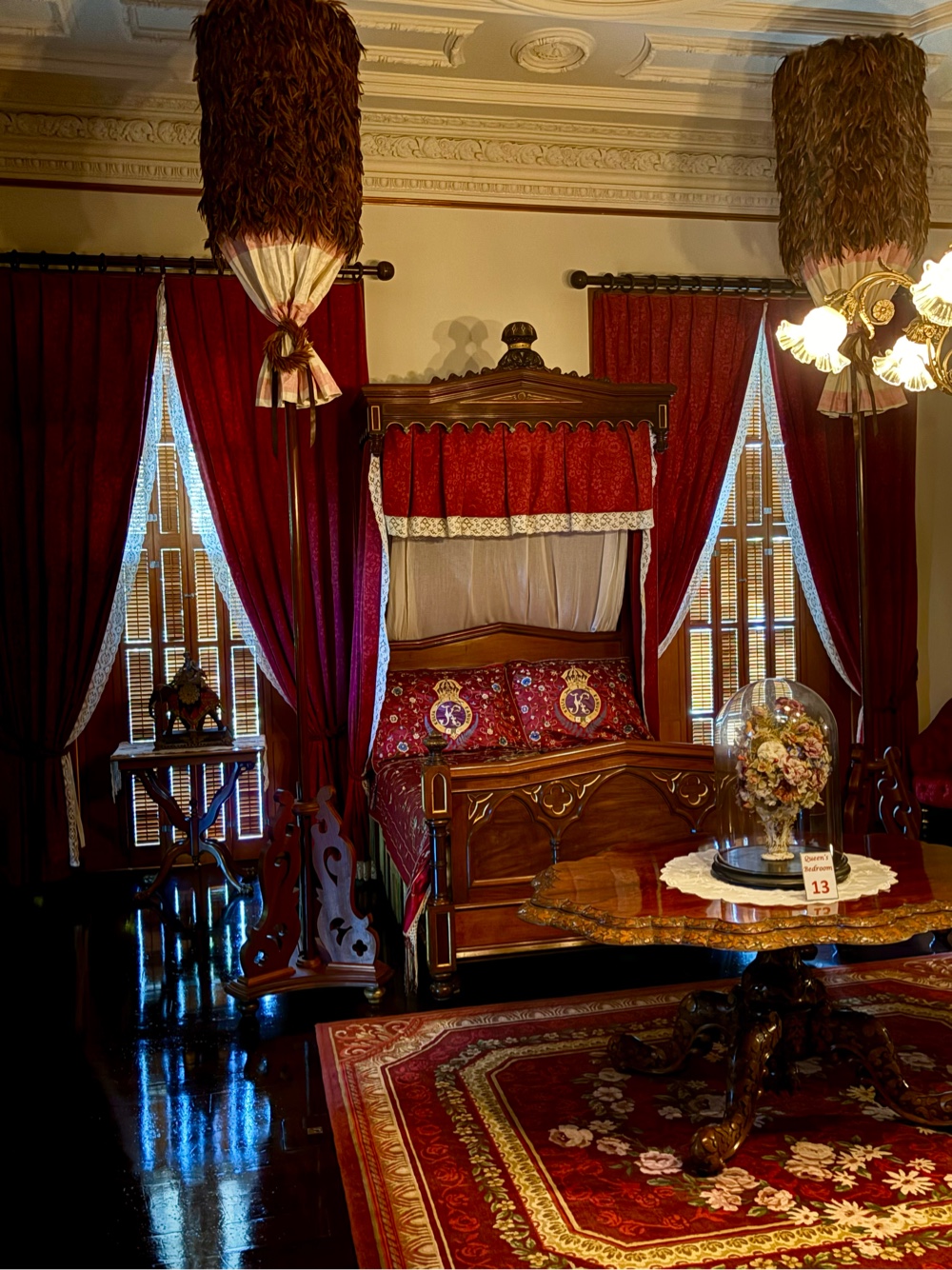
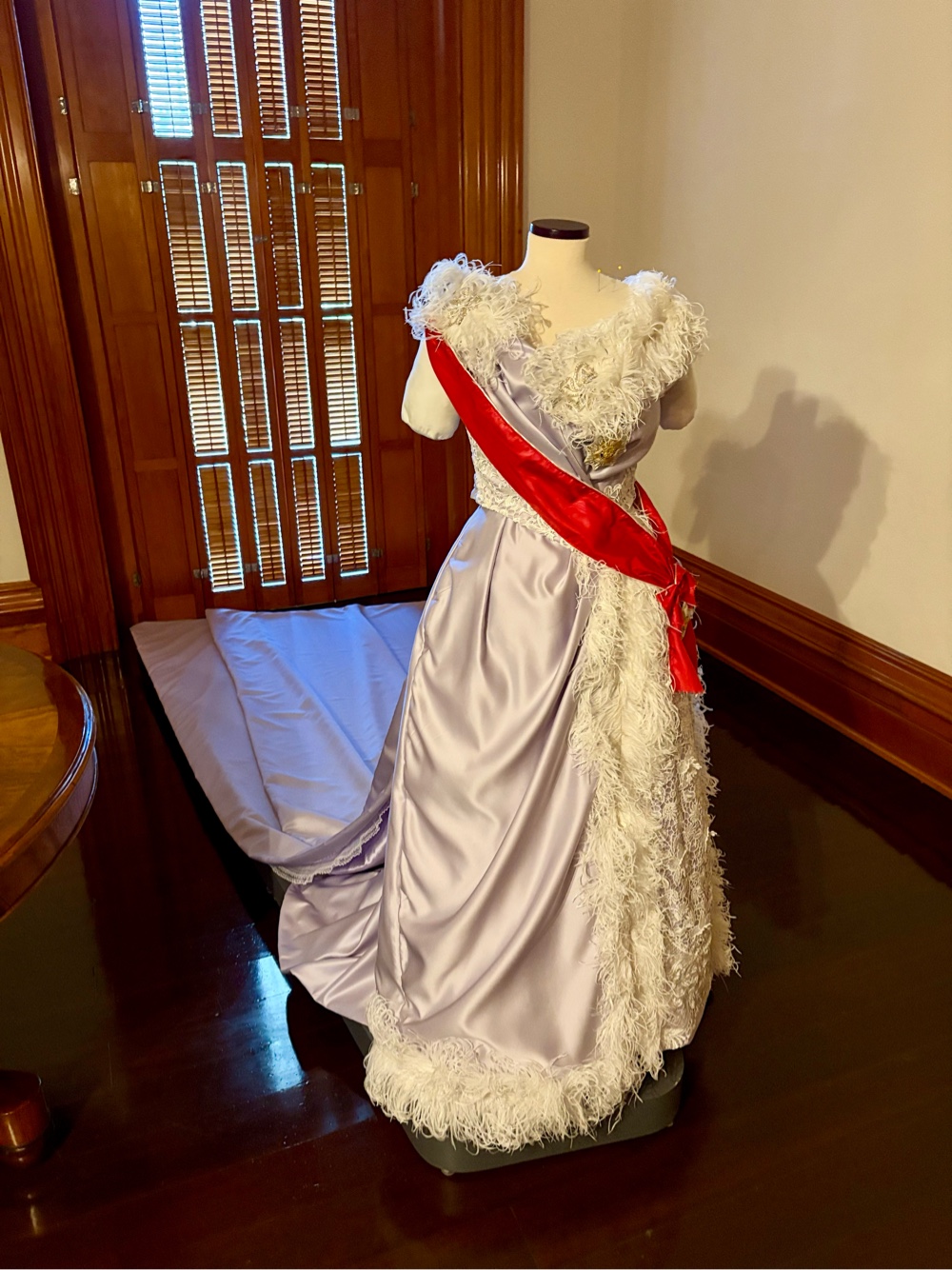
Moving upstairs, we explored the more private areas of the palace, including the King’s and Queen’s suites, the Music Room, and the bedroom where Queen Liliʻuokalani was held under house arrest. The contrast between the elegance of the royal surroundings and the circumstances of her confinement was striking.
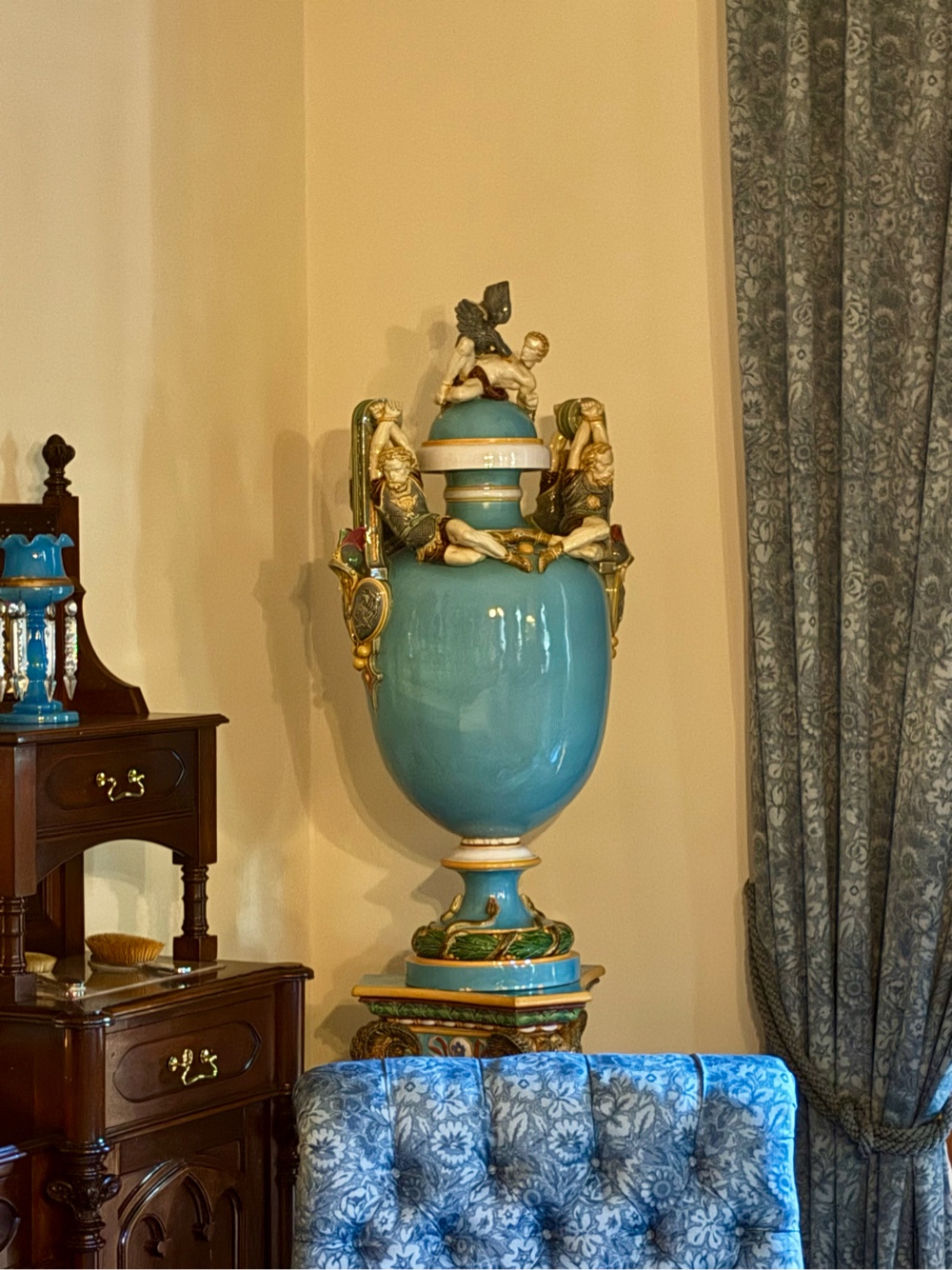
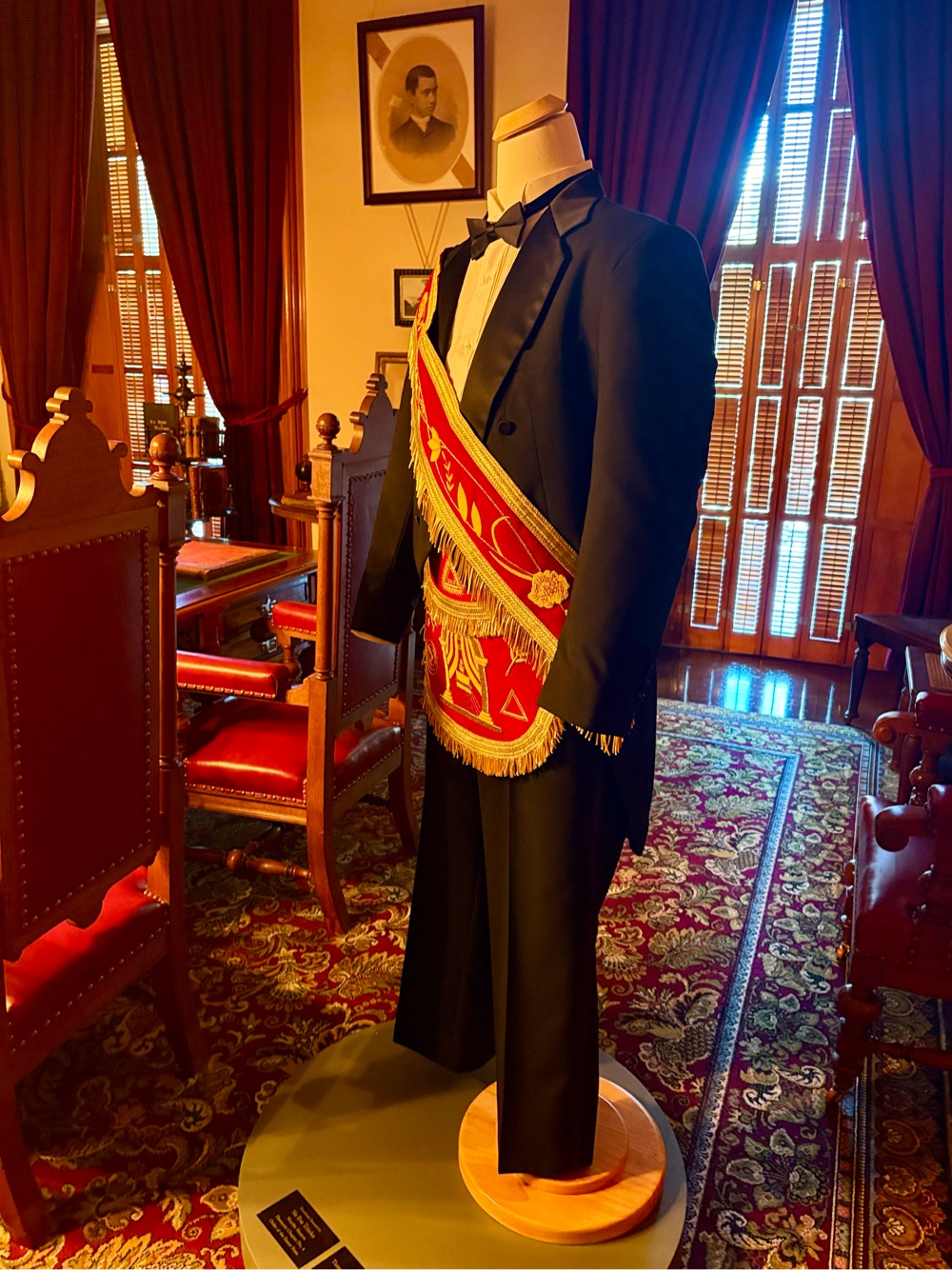
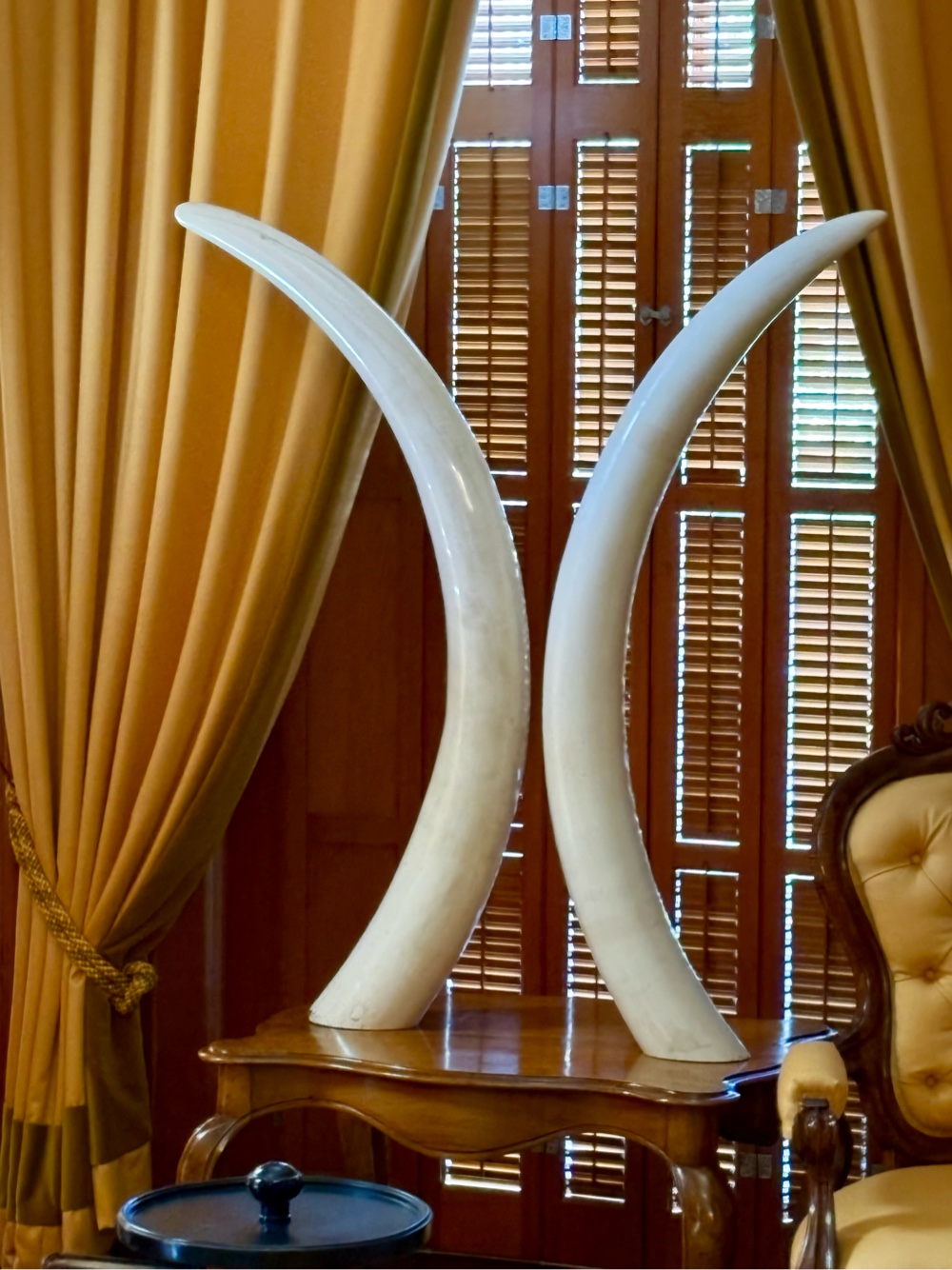
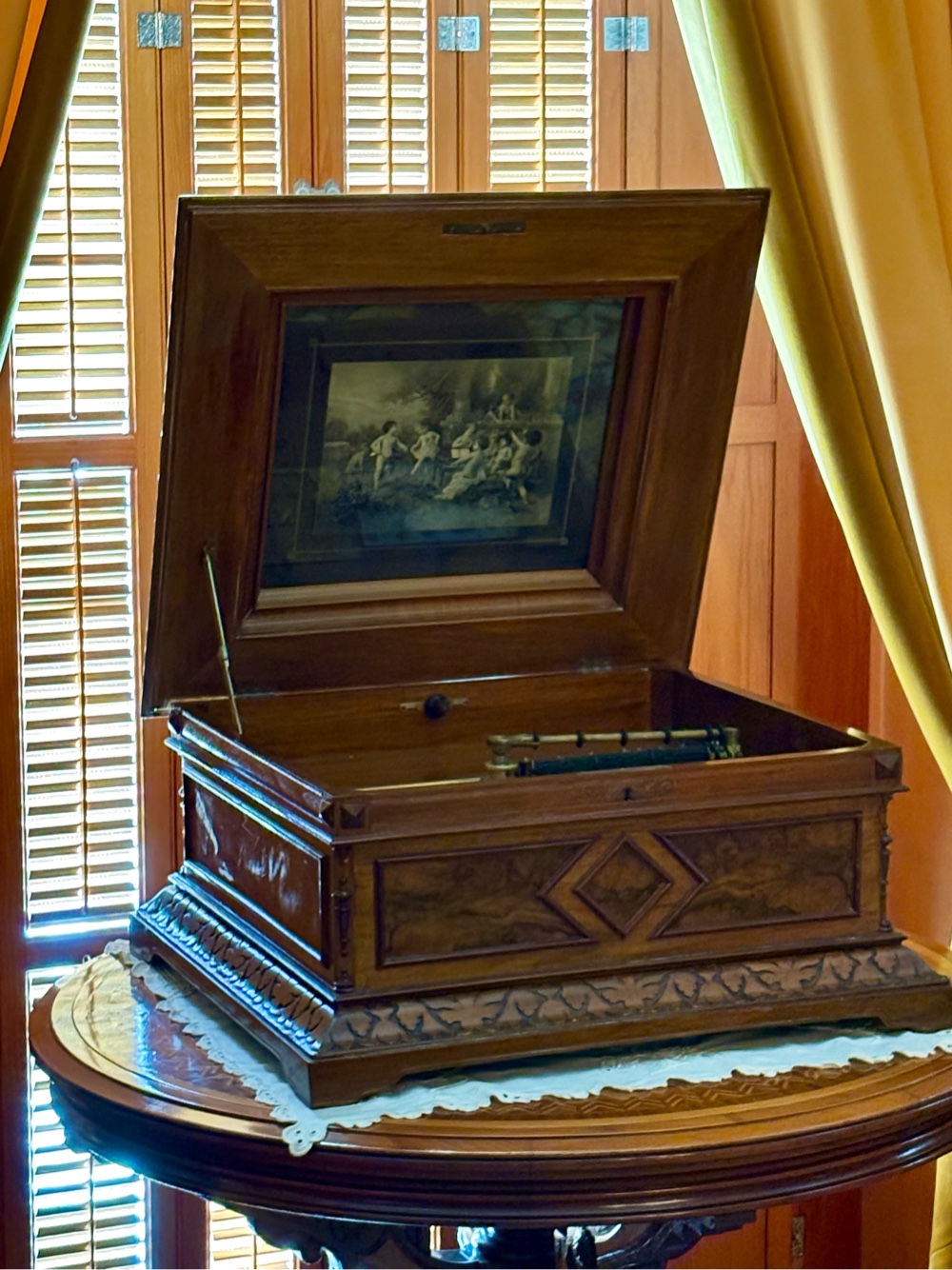
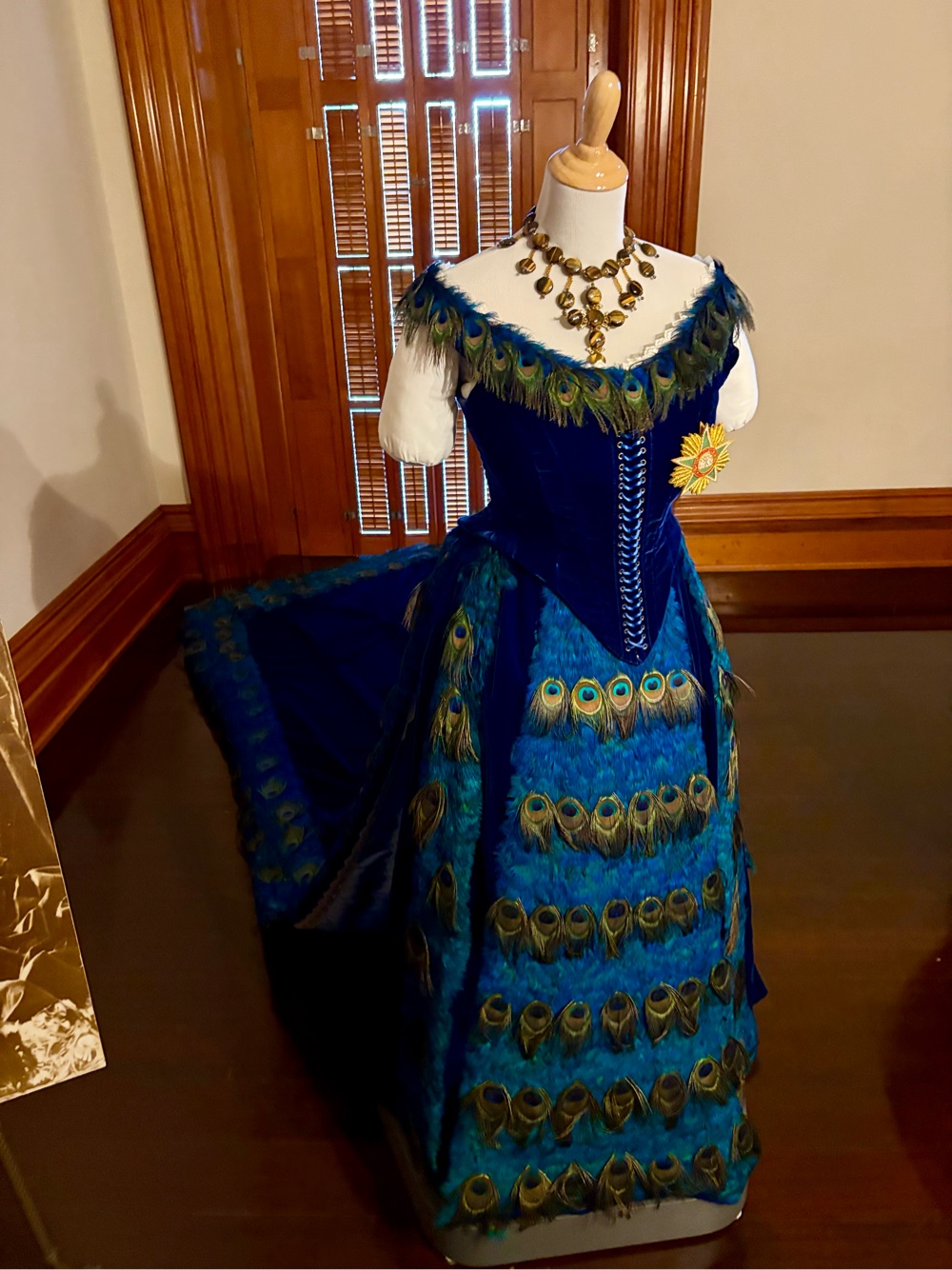
The tour also introduced us to the palace’s history through its furnishings, photographs, and other historical displays. The care taken to restore the building and return it as closely as possible to its former appearance helps bring the stories of the Hawaiian monarchy to life.
There is something quite special about walking through a building where history actually happened. Reading about these events in a book is one thing, but standing in the very rooms where they unfolded gives you a much better appreciation of the people involved and the changes that took place.
For anyone interested in Hawaiian history, I would certainly recommend putting ʻIolani Palace on the list of places to visit when in Honolulu.
Back to the Zaandam
After our visit, we made our way back outside into that lovely Honolulu sunshine. By this point, we had enjoyed our music, learned a great deal about the Hawaiian Kingdom, and finally crossed off something we had wanted to do for a long time.
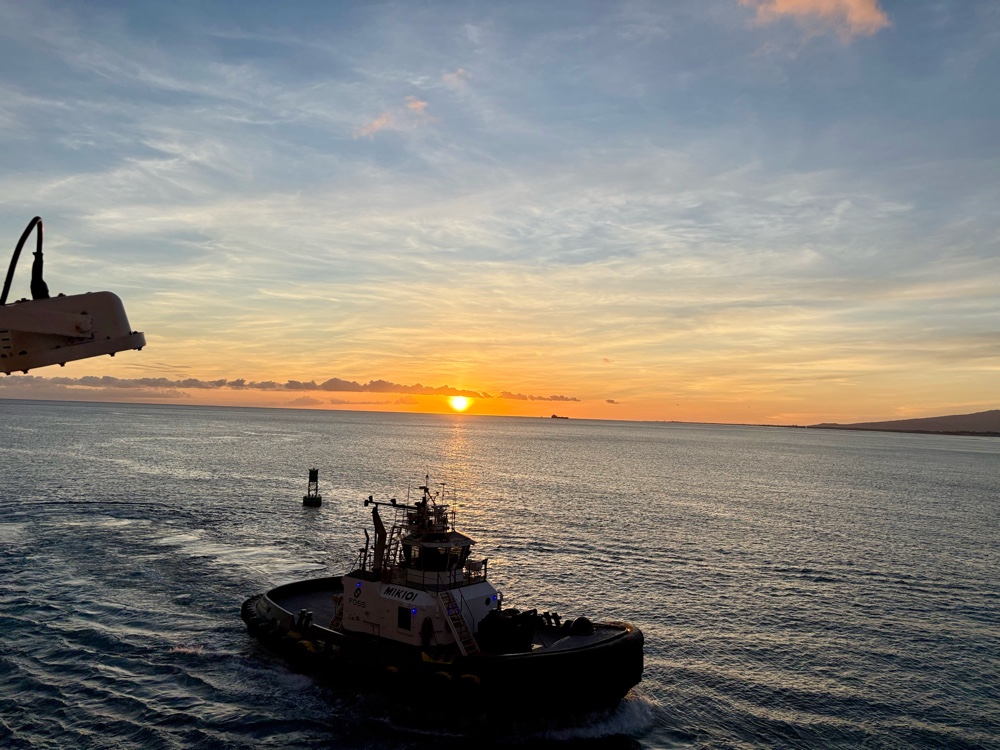
We then enjoyed a leisurely stroll of about 15 minutes back to our home away from home, the Zaandam.
No complicated transportation arrangements, no rushing from one attraction to another, and no exhausting schedule to keep up with. Just a pleasant walk and a relaxing return to the ship after a very enjoyable day ashore.
It was one of those days that reminds us why we enjoy returning to places we have visited before. There is always something new to discover, and sometimes the experiences we have put off for years turn out to be among the most memorable.
And with the Royal Hawaiian Band, Aaron’s family connection, and the remarkable history of ʻIolani Palace all coming together, this turned out to be a particularly special day in Honolulu.
Another wonderful day in paradise!
 |
 |
 |
 |
 |
 |
 |
 |
 |
 |
 |
 |
 |
 |
 |
 |
 |
 |
 |
 |
 |
 |
 |
 |
 |
 |
 |
 |
 |

No comments:
Post a Comment